Digital Transformation: Managing MSDS/SDS in the Digital Age
Modern industrial operations rely heavily on efficient data management systems. Traditional paper binders for safety sheets create massive operational bottlenecks. Companies struggle to update thousands of chemical documents manually today. Digital transformation revolutionizes how enterprises manage safety data sheets. Advanced software solutions streamline compliance workflows across global facilities. Adopting digital platforms protects workers and optimizes supply chain operations.
The Limitations of Traditional Paper-Based MSDS Binders
Historical chemical management relied exclusively on physical paper binders. Factories stored bulky folders in central office storage rooms. However, physical documents deteriorate quickly in harsh industrial environments. Paper sheets tear, stain, or become completely unreadable over time.
Furthermore, manual filing systems cause severe administrative delays. Workers waste valuable minutes searching for specific chemical hazard instructions. During emergencies, delayed information access increases workplace injury risks significantly. Physical binders also fail to track document expiration dates reliably.
In addition, multi-site enterprises face extreme document synchronization challenges. Updating paper binders across dozens of international warehouses proves nearly impossible. Outdated folders remain in circulation while new revisions arrive. Transitioning to digital platforms eliminates these dangerous physical vulnerabilities.
Core Benefits of Cloud-Based SDS Management Systems
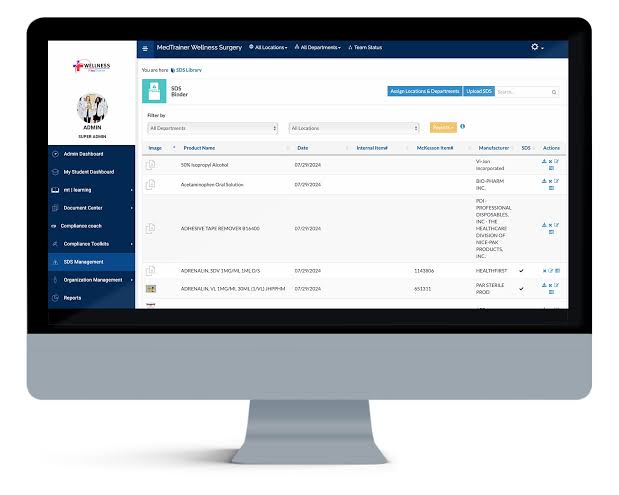
Cloud-based software centralizes all safety documentation into secure servers. Authorized personnel access required files instantly from any location. Digital databases ensure every facility uses identical, up-to-date revisions.
Automated system updates prevent expired safety data sheets from circulating. When manufacturers issue revisions, software notifications alert safety managers immediately. Centralized digital storage simplifies regulatory audits and compliance verification processes.
Moreover, cloud platforms offer robust multi-device compatibility today. Employees view safety data sheets on factory tablets or smartphones. Mobile access accelerates emergency response times during unexpected chemical spills. Digital efficiency transforms safety compliance from a burden into an asset.
Key Features to Look for in Modern SDS Software
Selecting appropriate safety software requires evaluating essential functional features. First, optical character recognition scanning technology simplifies document ingestion. OCR tools extract text from scanned safety sheets into digital databases.
Second, automated regulatory tracking ensures continuous GHS compliance worldwide. Advanced systems monitor changing international chemical standards and local laws. Software alerts compliance officers before regional regulations undergo mandatory updates.
Finally, multilingual support features help multinational enterprises manage translations. Global corporations store localized safety sheets for diverse destination markets easily. Comprehensive reporting tools track inventory volumes and hazard classifications accurately.
Enhancing Workplace Safety Through Digital Integration
Digital safety management directly improves daily occupational health standards. Workers scan container QR codes to view safety sheets instantly. Instant hazard awareness prevents improper chemical handling mistakes during shifts.
Emergency response teams benefit immensely from centralized digital archives. Firefighters access accurate chemical profiles before entering hazardous incident zones. Quick data access minimizes facility damage and protects responder safety.
Furthermore, digital training modules utilize safety sheet data effectively. Employers conduct interactive safety briefings using updated digital hazard profiles. Continuous employee engagement fosters a proactive safety culture across factories.
Overcoming Challenges During Software Implementation
Adopting digital safety platforms requires careful strategic planning initially. Employees often resist transitioning from familiar paper-based filing routines. Comprehensive staff training programs overcome initial technological adoption barriers successfully.
Data migration represents another critical operational step for enterprises. Cleaning legacy databases prevents corrupt or duplicate records from transferring. Partnering with experienced software vendors ensures smooth system deployment timelines.
Initial software investments yield massive long-term financial returns. Reduced administrative labor hours offset implementation costs rapidly. Proactive digital compliance eliminates costly regulatory fines and trade delays.
Future Trends in Chemical Safety Management
Emerging technologies continue to reshape chemical safety compliance rapidly. Artificial intelligence algorithms analyze safety data sheets for potential risks. Machine learning tools predict regulatory changes before they take effect.
Blockchain technology enhances traceability across complex international supply chains. Immutable digital records verify chemical origins and compliance statuses transparently. Embracing technological innovation secures long-term competitive advantages globally.
Read more:
Translating and Localizing MSDS/SDS for International Markets
Exporting Cosmetics, Chemicals, and Industrial Raw Materials: When Is MSDS Required?
