
Expired or Incorrect MSDS: Risks Businesses Face in Import and Export
In global trade, chemical compliance requires accurate safety documentation. Material Safety Data Sheets serve as critical regulatory components. They contain essential information regarding chemical risks and handling procedures. However, many businesses ignore document validity during international shipments. Using an expired or incorrect SDS creates serious operational obstacles. Companies must understand these risks to protect their commercial interests.
Severe Customs Delays and Port Detention Costs
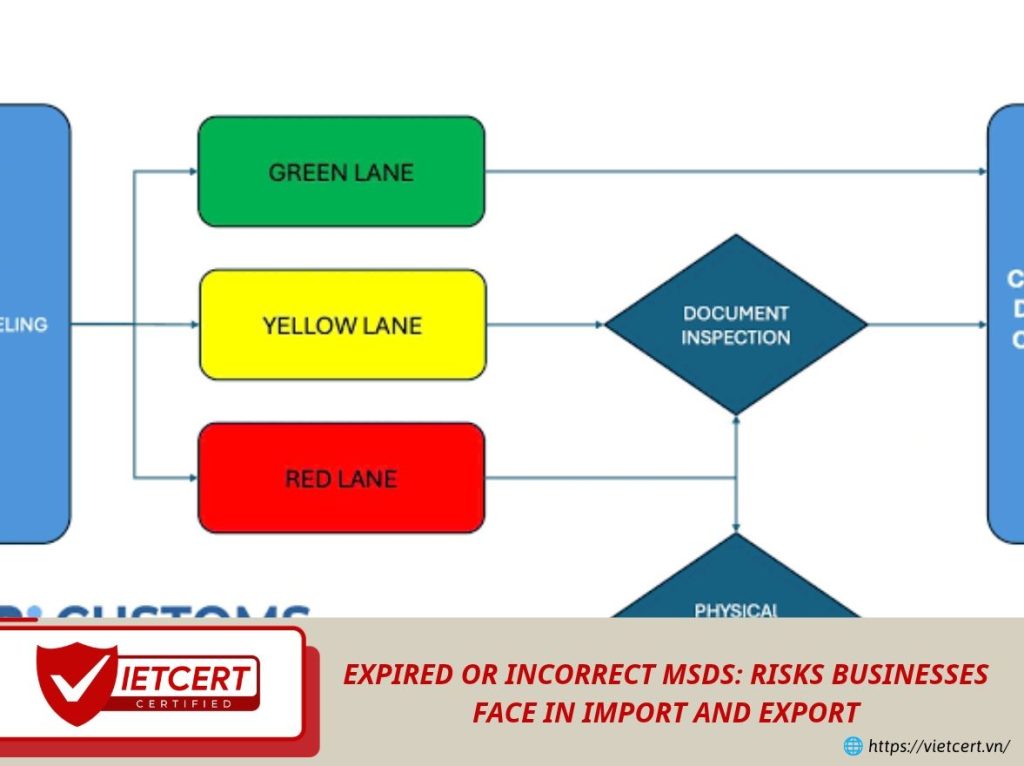
Customs authorities inspect chemical documentation very strictly today. Officials verify every safety sheet against national chemical databases. An expired document triggers immediate red flags at border checkpoints. Customs officers will suspend clearance processes until proper paperwork arrives.
Shipments trapped at border ports accumulate heavy demurrage fees quickly. Container storage charges increase significantly with each passing day. These unexpected expenses reduce profit margins for importing businesses heavily. Furthermore, delayed raw materials disrupt manufacturing schedules down the line.
Additionally, incorrect chemical hazard codes cause extended cargo holds. Authorities often request mandatory laboratory re-testing for verification. Independent sample analysis requires considerable time and financial expenditure. Businesses face substantial operational losses while cargo remains immobilized.
Heavy Legal Penalties and Regulatory Fines
Operating with non-compliant chemical documents violates national environmental laws. Regulatory agencies impose strict financial penalties on offending commercial importers. Fines vary based on chemical hazard levels and violation severity.
Repeated documentation errors damage corporate legal standings significantly. Government agencies may revoke active chemical import permits completely. In severe cases, non-compliance leads to criminal prosecutions against management. Legal battles drain business resources and halt core commercial activities.
Furthermore, international trade regulations update standards continuously worldwide. A safety sheet matching old regulations creates immediate non-compliance overseas. Importers must ensure safety documents mirror current local legislation accurately. Ignorance of legal updates does not shield companies from penalties.
Rejection by Commercial Shipping Lines and Carriers
Ocean carriers and airlines enforce strict dangerous goods regulations daily. Cargo transport safety depends entirely on accurate hazard classifications. Freight carriers inspect submitted safety sheets before accepting booking orders.
An expired safety sheet causes immediate booking rejections by carriers. Shipping lines refuse to load containers with outdated hazard profiles. Re-booking alternative transport creates costly supply chain delays for exporters. Carriers may also blacklist shippers who submit misleading chemical information.
Air freight carriers maintain even stricter documentation compliance rules. Improperly classified chemicals pose extreme safety risks during air transit. Shipping dangerous goods with incorrect papers violates international aviation standards. Carriers reject non-compliant cargo instantly to guarantee flight safety.
Workplace Safety Hazards and Operational Accidents
Safety data sheets guide factory workers on chemical handling procedures. Incorrect technical data exposes employees to dangerous chemical hazards daily. Workplace accidents occur when safety sheets lack updated protective measures.
Inaccurate first-aid instructions delay proper medical treatment during spills. Chemical burns or toxic inhalation risks increase without proper guidance. Uninformed emergency responses aggravate injuries among frontline factory operators. Employers face severe liabilities when outdated documents cause employee injuries.
Proper storage instructions prevent violent chemical reactions in warehouses. An incorrect safety sheet might list wrong storage compatibility guidelines. Incompatible chemicals stored together create severe fire or explosion risks. Facility damage from chemical fires ruins business operations completely.
Supply Chain Disruptions and Financial Losses
Flawed safety documentation causes severe ripple effects across supply chains. Delayed raw material deliveries halt factory production lines unexpectedly. Manufacturing plants suffer severe downtime losses due to missing inputs.
Contractual deadlines slip when shipments remain stuck at customs ports. Buyers often cancel orders due to unfulfilled delivery timelines. Disrupted supply chains harm business relationships with key global clients. Restoring supply chain stability requires tremendous time and financial effort.
Insurance claims suffer when accidents involve non-compliant chemical paperwork. Insurance firms investigate safety documentation thoroughly after facility incidents occur. Coverage claims are routinely denied if outdated safety sheets caused accidents. Businesses bear total financial burdens for property damages and cleanup costs.
Damage to Corporate Reputation and Brand Trust
Reputation remains a critical business asset in competitive international markets. News of customs detentions or safety violations spreads rapidly online. Partners question corporate reliability when compliance failures become public knowledge.
Global clients prefer trading partners with flawless compliance track records. A history of regulatory fines deters potential international business buyers. Losing key clients to compliant competitors reduces market share permanently. Rebuilding brand trust takes years of rigorous compliance management work.
Transparency in chemical management enhances market credibility significantly today. Compliant businesses attract premium international buyers and smooth clearance procedures. Investing in accurate safety data sheets strengthens brand value globally.
Strategies to Prevent SDS Compliance Failures
Businesses must establish proactive safety documentation management systems immediately. Regular document audits prevent expired safety sheets from entering supply chains. Companies should verify safety sheets whenever chemical regulations undergo updates.
Partnering with certified technical experts ensures accurate document creation. Professional safety data sheet authoring services guarantee global GHS compliance. External experts stay informed about changing national chemical import rules.
Implementing digital document tracking software automates revision monitoring efficiently. Automated alerts notify managers before safety sheets reach expiration dates. Digitized records simplify document retrieval during unexpected customs inspections. Proactive compliance management protects businesses from costly trade disruptions.
Read more:
Who Is Responsible for Preparing and Providing MSDS/SDS in the Supply Chain?
The GHS Standard 16-Section Structure of an International SDS/MSDS
