
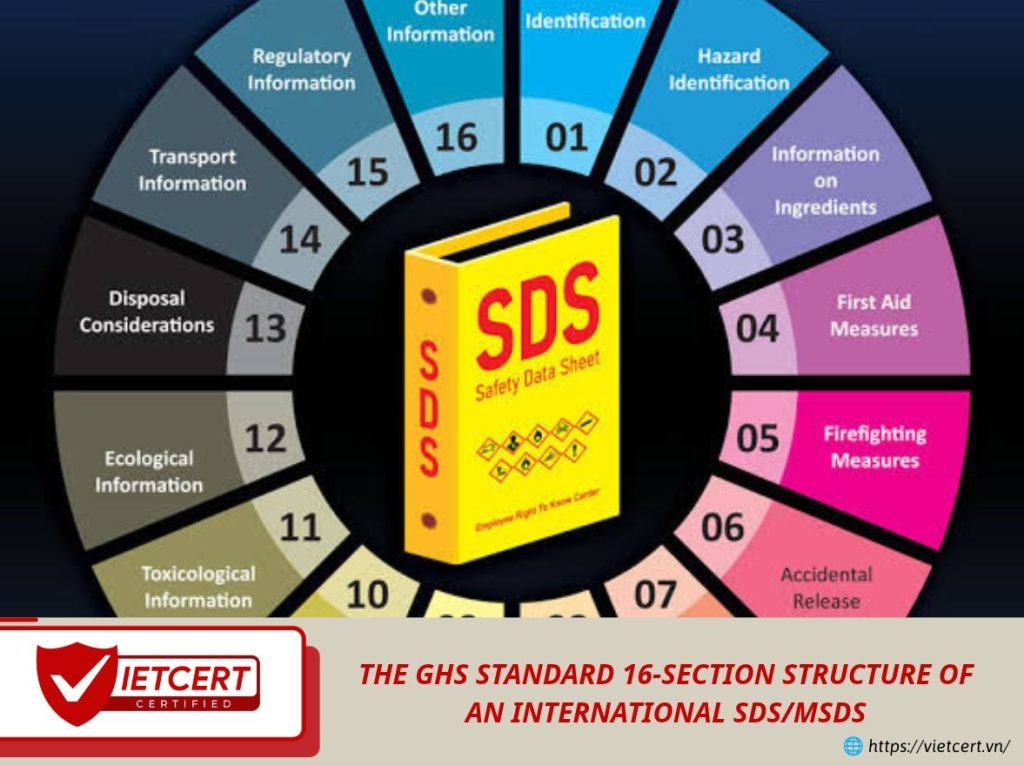
The GHS Standard 16-Section Structure of an International SDS/MSDS
In global chemical trade, safety documentation plays a vital role. Chemical safety data sheets help businesses control risks effectively. Today, the Globally Harmonized System provides a common standard. Knowing this 16-section structure helps companies ensure legal compliance. It also protects workers from chemical hazards.
Overview of the GHS System and SDS/MSDS
The United Nations created the GHS system to unify standards. In the past, every country used a different format. This caused many difficulties for international import and export.
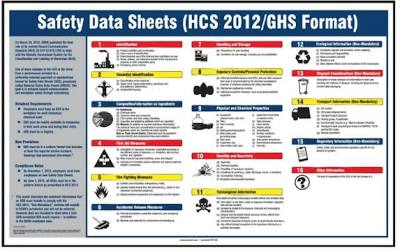
The creation of the GHS-compliant SDS solved this problem. Modern safety sheets include exactly sixteen mandatory information sections. These sections follow a logical and unified global sequence. Businesses must check documents carefully to avoid legal errors.
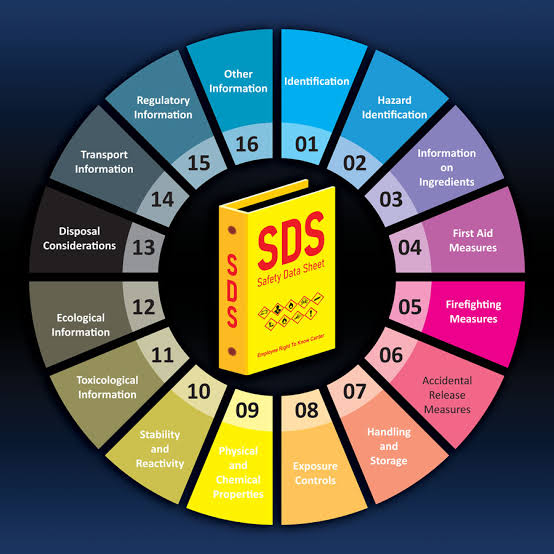
Detailed Breakdown of the 16 Standard Sections
Each part of the safety data sheet has a specific task. The content below presents the detailed role of every section.
1. Identification of the Substance and Company
This section provides the official product and identifier name. It states the manufacturer or distributor contact details clearly. Emergency telephone numbers are mandatory for quick incident response.
2. Hazard Identification
The second section summarizes health and environmental risks. GHS hazard warning symbols appear clearly in this part. Furthermore, this section contains specific signal words and hazard statements.
3. Composition and Information on Ingredients
This section lists chemical substances inside the product in detail. For mixtures, hazardous component percentages must be disclosed. CAS numbers of each substance are recorded for easy lookup.
4. First-Aid Measures
First-aid instructions are divided by specific exposure routes. Cases include inhalation, skin contact, eye contact, or ingestion. Acute symptoms and medical treatment guidelines are described.
5. Fire-Fighting Measures
This section indicates suitable extinguishing media for the product. Incompatible extinguishing agents are also clearly noted. Moreover, this section warns about risks when chemicals burn.
6. Accidental Release Measures
It guides procedures when chemicals spill or leak. The document equips evacuation methods and protective gear usage. Measures to prevent chemicals from entering water sources are included.
7. Handling and Storage
Safe chemical handling methods are presented specifically. This section details suitable warehouse storage conditions. Incompatible materials that must be kept away are also listed.
8. Exposure Controls and Personal Protection
Occupational exposure limits are regulated clearly here. The document suggests necessary personal protective equipment. Equipment includes gloves, safety glasses, and respirators.
9. Physical and Chemical Properties
This section describes chemical states, colors, and odors. Important parameters like pH, boiling point, and melting point are recorded. Solubility and vapor pressure are also mandatory information.
10. Stability and Reactivity
Information on chemical reactivity is presented in detail. Environmental conditions to avoid like high heat are warned. This section lists dangerous decomposition products as well.
11. Toxicological Information
This section provides data on health impacts of chemicals. Acute and chronic toxicities are described based on tests. Carcinogenicity or irritation levels are clarified here.
12. Ecological Information
It evaluates chemical impacts on the natural environment. This section states bioaccumulation potential and aquatic toxicity. Effects on soil and water resources are also evaluated.
13. Disposal Considerations
Waste treatment methods for chemicals are guided thoroughly. Safe disposal requirements comply with local environmental laws. Container cleaning instructions prevent environmental contamination.
14. Transport Information
This section lists UN numbers for transport safety. Proper shipping names and hazard classes are stated. Packing groups and marine pollutant details are included.
15. Regulatory Information
National and international chemical regulations are updated here. Applicable laws ensure compliance during import processes. Special safety rules are specified in this section.
16. Other Information
The final section contains revision dates and version numbers. Key acronym definitions used in the document are explained. Businesses review this part to ensure full document validity.
Read more:
Phân biệt MSDS và SDS: Doanh nghiệp cần sử dụng loại tài liệu nào khi xuất nhập khẩu hàng hóa?
Cách đọc MSDS để xác định mức độ nguy hiểm và điều kiện bảo quản hóa chất trong kho
